

Performance marketing for beauty products is not just about ads, it’s about building a predictable revenue system where every rupee spent is tracked, optimized, and scaled profitably.
What Performance Marketing Means in Beauty
It combines:
- Paid acquisition
- Conversion rate optimization
- Retention and repeat purchase strategies
- Revenue-driven analytics
The goal is growth without sacrificing margins.
Core Channels That Drive Results
- Google Search and Shopping for intent
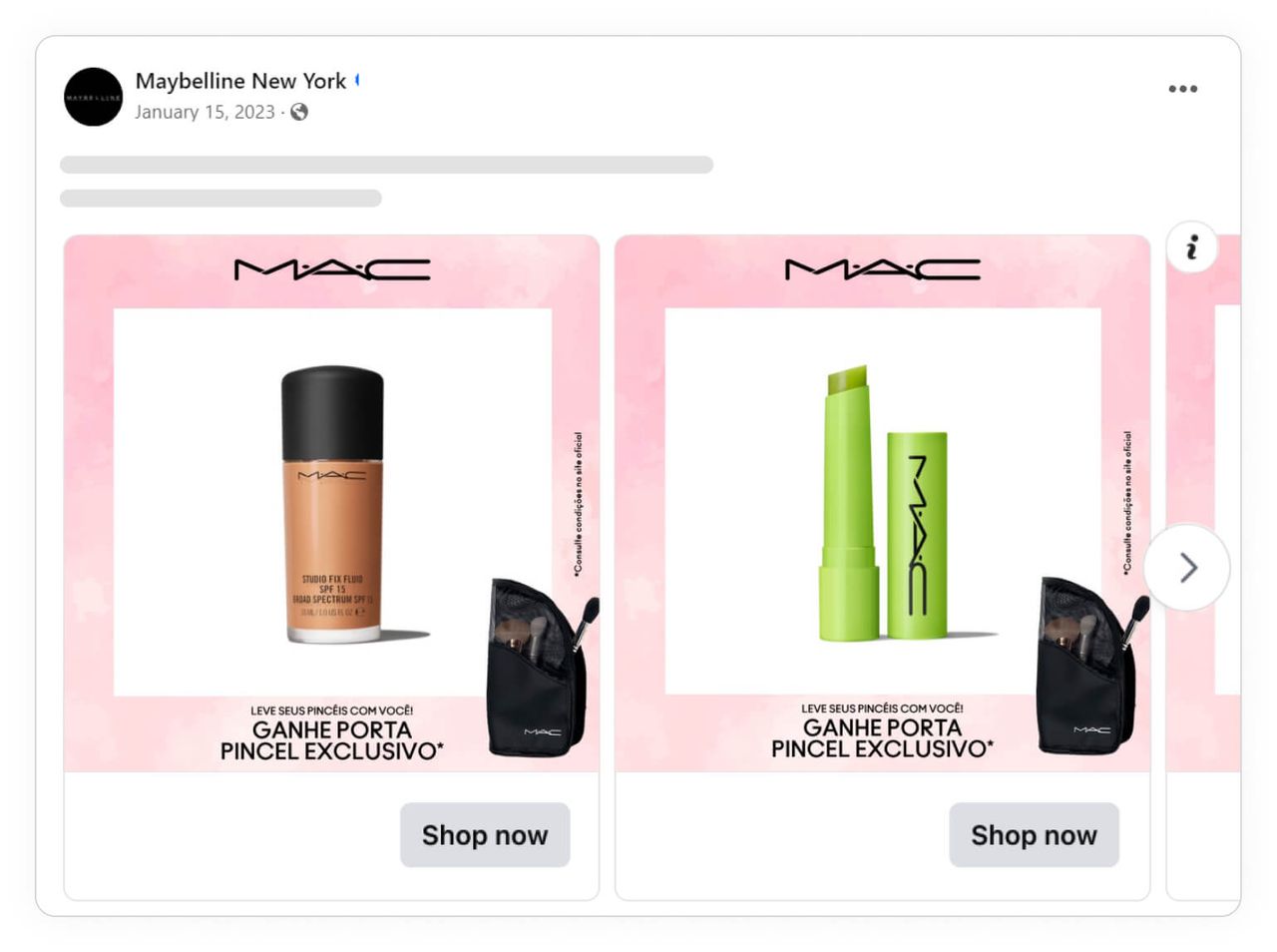
- Meta Ads for demand creation
- Influencer whitelisting for trust
- Email and SMS for retention
Performance marketing aligns these channels instead of treating them separately.
Metrics That Define Success
- Customer acquisition cost (CAC)
- Lifetime value (LTV)
- Contribution margin per channel
- Repeat purchase rate
Vanity metrics like clicks and impressions don’t reflect true performance.
Scaling Without Breaking Profitability
- Separate prospecting and retargeting budgets
- Scale only ads with strong post-click performance
- Monitor blended ROAS instead of platform ROAS
- Improve backend conversion before increasing spend
Role of Data and Automation
- Smart bidding strategies
- AI-driven creative rotation
- Predictive LTV modeling
- Attribution beyond last click
Common Performance Marketing Mistakes
- Scaling too fast without retention
- Ignoring landing page optimization
- Judging performance channel-by-channel instead of holistically
Final Thoughts
Performance marketing for beauty products succeeds when ads, data, and customer experience work together. Sustainable growth always beats short-term scale.



Leave a Reply